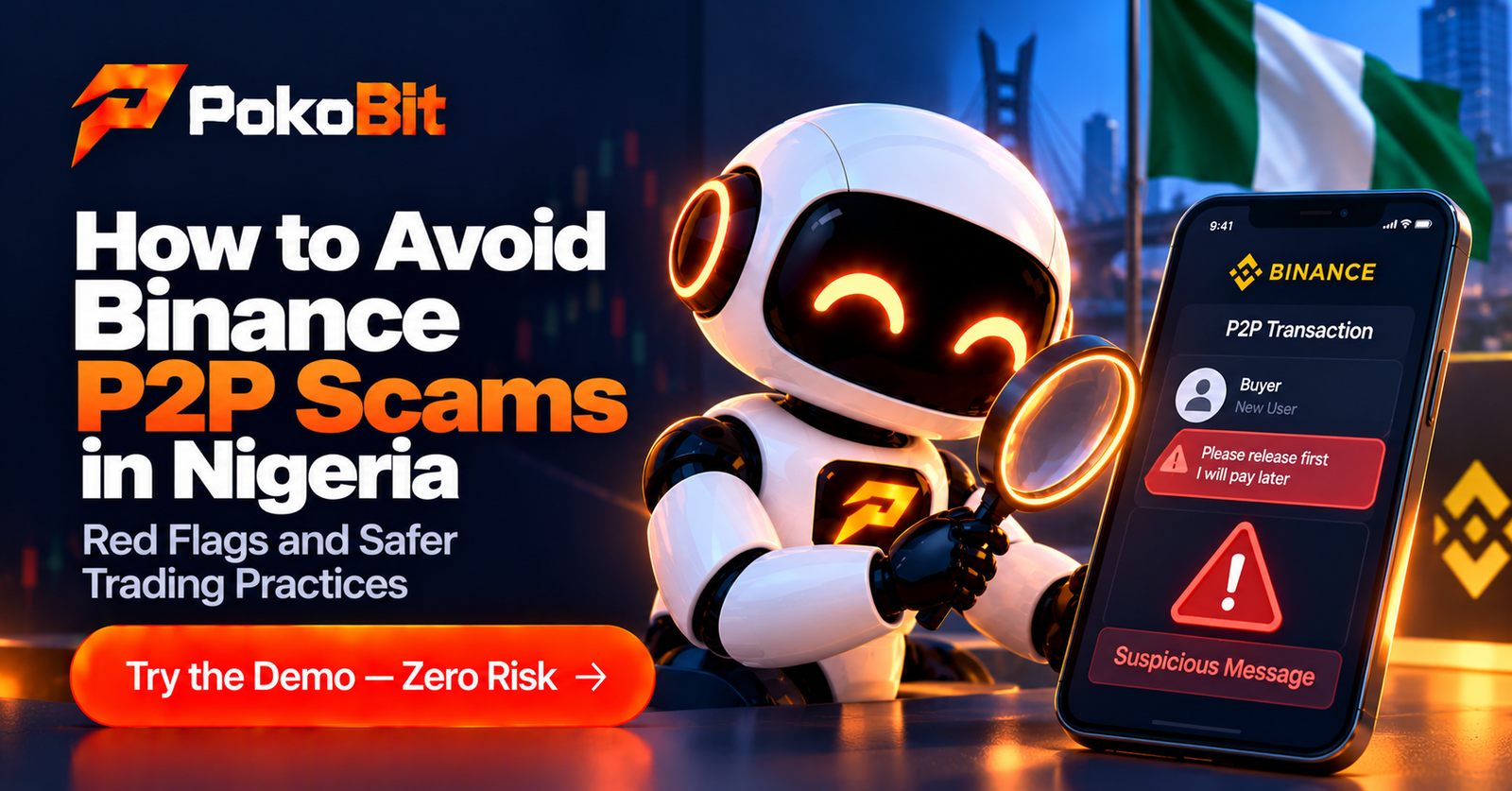
How to Avoid Binance P2P Scams in Nigeria
Binance P2P trading allows people to buy and sell cryptocurrency directly with other users. For Nigerian traders, it can provide a way to exchange crypto using supported local payment methods. However, a successful transaction depends on more than finding a good price. You must also verify payments, follow the platform's rules, and recognise suspicious behaviour before it costs you money.
Some scams involve fake bank transfer receipts. Others involve payments from third parties, impersonation, or attempts to move transactions outside the platform. A trader can follow most of the normal steps and still encounter a dishonest counterparty.
The good news is that understanding how these scams work can help you make better decisions before releasing cryptocurrency or sending money.
This guide explains the common Binance P2P scams Nigerian traders should know about, how to recognise warning signs, and what to do if a transaction becomes suspicious.
What Is a Binance P2P Scam?
A Binance P2P scam occurs when someone uses deception, misleading payment information, impersonation, or another dishonest tactic to obtain money or cryptocurrency from a trading partner.
For example, a buyer may claim to have transferred money to your bank account and send a screenshot as proof. If you release your USDT before checking your actual bank balance, you could lose the cryptocurrency without receiving payment.
Other scams are more complicated. A fraudster may use someone else's bank account, pretend to be a Binance employee, or coordinate multiple transactions to confuse a seller.
Binance explains several of these methods in its official guide, How to Avoid Common P2P Scams.
7 Common Binance P2P Scams in Nigeria
1. Fake Proof of Payment
This is one of the most important scams to understand if you sell cryptocurrency.
A buyer places an order to purchase your USDT and claims to have transferred the agreed amount to your bank account. They then send a screenshot showing what appears to be a successful bank transfer.
The screenshot may be edited, fabricated, or taken from a different transaction. The buyer may insist that the payment has gone through and pressure you to release the cryptocurrency immediately.
If you release your USDT based only on the screenshot, you may discover that no money arrived.
How to protect yourself:
- Open your bank's official application or another trusted banking channel.
- Confirm that the actual payment has arrived.
- Check that the amount received matches the order.
- Do not rely on screenshots, SMS alerts, or claims made by the buyer.
- Release your cryptocurrency only after verifying the payment.
Read Binance's official guide on avoiding proof of payment scams.
2. Third Party Payment Scams
A third party payment occurs when the money comes from someone other than the verified counterparty you are trading with.
Imagine that you list 500 USDT for sale. The buyer places an order, but the bank transfer comes from a different person's account. The buyer asks you to release the USDT because the payment has arrived.
The problem is that the third party may not know that their money is being used in a cryptocurrency transaction. In some cases, the payment may be connected to a separate scam.
The original sender could later report the transaction to their bank or the authorities, potentially exposing you to a dispute or account restriction.
How to protect yourself:
- Compare the sender's payment details with the verified counterparty information.
- Do not release cryptocurrency when the account name does not match the applicable P2P requirements.
- Keep the order and payment records.
- Use the platform's appeal or support process if a third party sends money.
- Do not independently spend or forward disputed funds.
Follow the applicable Binance P2P merchant guidelines for handling mismatched payment details.
3. Fake Bank SMS and Transfer Alerts
Some scammers send text messages designed to look like notifications from a bank. The message may claim that a transfer has been completed or that money has been credited to your account.
The sender may then ask you to release the cryptocurrency.
A convincing message is not proof that money has arrived. Even a message displaying your name or a plausible transaction reference should not replace checking your bank account directly.
How to protect yourself:
- Do not release crypto based solely on an SMS alert.
- Verify the transaction in your bank account.
- Confirm the amount and transaction status.
- Be cautious if the buyer insists that you act before checking.
The safest approach is simple: verify the funds independently before releasing the cryptocurrency.
4. Man in the Middle Scams
In a man in the middle scam, a fraudster interferes between two people who believe they are conducting separate legitimate transactions.
For example, a scammer may contact a person through WhatsApp or Telegram and pretend to be a trusted crypto trader. The scammer then directs that person to a different P2P order and provides bank details that belong to another party.
The victim may send money to the wrong person while the scammer receives the cryptocurrency or benefits from the confusion.
The danger is that the people involved may not realise what is happening until the transactions have been completed.
How to protect yourself:
- Keep transaction discussions within the official P2P order chat.
- Use the payment details displayed in the actual order.
- Do not follow payment instructions supplied by strangers on WhatsApp or Telegram.
- Do not agree to trade outside the platform because someone promises a better rate.
- Stop the transaction if the payment arrangement changes unexpectedly.
Binance provides further details in its guide to man in the middle scams.
5. Triangle Scams
A triangle scam involves multiple orders and misleading payment evidence.
For example, a fraudster may coordinate two orders with a seller. A payment made for one order is then presented as evidence of payment for another order. If the seller fails to match each bank transfer to the correct order, they may release cryptocurrency without receiving the full amount owed.
The fraud relies on confusion, rushed decisions, and failure to verify individual payments.
How to protect yourself:
- Match each incoming payment to the correct order.
- Check the sender, amount, and transaction reference.
- Do not assume that one payment covers multiple orders.
- Never release cryptocurrency simply because a counterparty has marked an order as paid.
- Report suspicious overlapping transactions through the platform.
Always verify the payment for each individual order before releasing the corresponding cryptocurrency.
6. Fake Binance Support Agents
Scammers may impersonate Binance employees or customer support representatives. They might contact you through Telegram, WhatsApp, social media, email, or even a suspicious message within a trading conversation.
They may claim that your account has a problem and that they can resolve it if you provide a password, authentication code, or payment.
Some may promise to unfreeze your account, recover lost cryptocurrency, or reverse a disputed transaction for a fee.
How to protect yourself:
- Contact support through the official Binance website or application.
- Never share your password or two factor authentication codes.
- Do not pay an unofficial agent to unlock an account.
- Avoid opening suspicious links sent by people claiming to be support staff.
- Report impersonation attempts through the appropriate official channel.
You can access the Binance Support Center to find official support options.
7. Suspiciously Cheap Offers and Pressure Tactics
A buyer or seller may advertise a rate that looks much better than competing offers. Once you initiate a trade, they may introduce new payment conditions, request an off-platform transfer, or pressure you to act quickly.
A favourable price is not necessarily fraudulent, but an unusually attractive offer combined with unexplained changes or urgency deserves caution.
Watch out for statements such as:
- “Pay me directly and I will give you a better rate.”
- “Use this different bank account instead.”
- “Release the USDT first; the payment is processing.”
- “Cancel this order and complete another transaction privately.”
- “You will lose the opportunity if you wait.”
How to protect yourself:
Compare prices, review the counterparty's trading history, read the order terms, and refuse arrangements that conflict with platform rules. A small price advantage is not worth taking an unnecessary risk with your funds.
How to Buy USDT Safely on Binance P2P
Buyers face risks too. A seller may claim that payment has not arrived, request payment to a different account, or try to move the transaction outside the platform.
Use this checklist before and during a purchase.
- Review the seller's completed orders, completion rate, and available feedback.
- Read the advertisement and payment terms carefully.
- Confirm that the payment details match the information provided in the actual order.
- Send the exact amount using the permitted payment method.
- Keep the transaction receipt and other relevant records.
- Mark the order as paid only after you have genuinely made the payment.
- Never cancel an order simply because a seller asks you to do so after you have paid.
- If the seller does not release the cryptocurrency after payment, use the platform's appeal process and provide evidence.
Do not mark an order as paid before sending the money. Equally, do not cancel a paid order without understanding the consequences and following the platform's instructions.
What to Do If You Suspect a Binance P2P Scam
If something appears wrong, stop and assess the situation before taking further action.
If You Are Selling USDT
If the buyer claims to have paid but the funds are not in your account, do not release the cryptocurrency.
If you have already received money but discover a name mismatch, an unexpected third party payment, or another suspicious detail, do not assume the transaction is safe simply because the balance increased. Preserve the records and contact Binance Support for guidance.
If You Are Buying USDT
If you have sent money but the seller has not released the cryptocurrency, preserve your bank receipt, order number, and chat messages.
Use the appeal option associated with the order where available. Provide clear evidence of the payment and follow the platform's instructions.
If You Have Already Lost Money
Take these steps as soon as possible:
- Preserve the P2P order details, bank statements, receipts, and conversations.
- Contact Binance through its official support channel.
- Notify your bank or payment provider if the transaction involved a potentially fraudulent transfer.
- Follow the appropriate reporting process if fraud is suspected.
- Avoid sending additional money to anyone promising guaranteed recovery.
If your Nigerian bank account becomes restricted after a disputed payment, contact your bank and ask for the reason, reference number, and required documentation. A P2P dispute does not automatically establish that you committed wrongdoing, but it may require further investigation.
Binance also explains how sellers can reduce the risk of bank account freezes in its guide, How to Prevent My Bank Account from Being Frozen in P2P Transactions.
Can Binance P2P Escrow Protect You From Scams?
Binance P2P uses an escrow mechanism to hold cryptocurrency associated with an order while the transaction is being completed. This can help protect the transaction process, but it does not eliminate every risk.
For example, escrow cannot protect a seller who voluntarily releases cryptocurrency after being deceived by a fake payment receipt. Nor does it guarantee that a bank transfer received from a third party is legitimate.
You still need to verify payments, follow order instructions, keep communication on the platform, and use the official dispute process when something goes wrong.
The most important safeguard is not simply that escrow exists. It is making sure you follow the transaction process correctly.
Frequently Asked Questions
Is Binance P2P safe for Nigerians?
P2P trading carries risks regardless of the country. Your exposure depends partly on the counterparty, payment method, transaction practices, and applicable rules. Using the platform's procedures and verifying every payment can reduce avoidable risks, but cannot eliminate them.
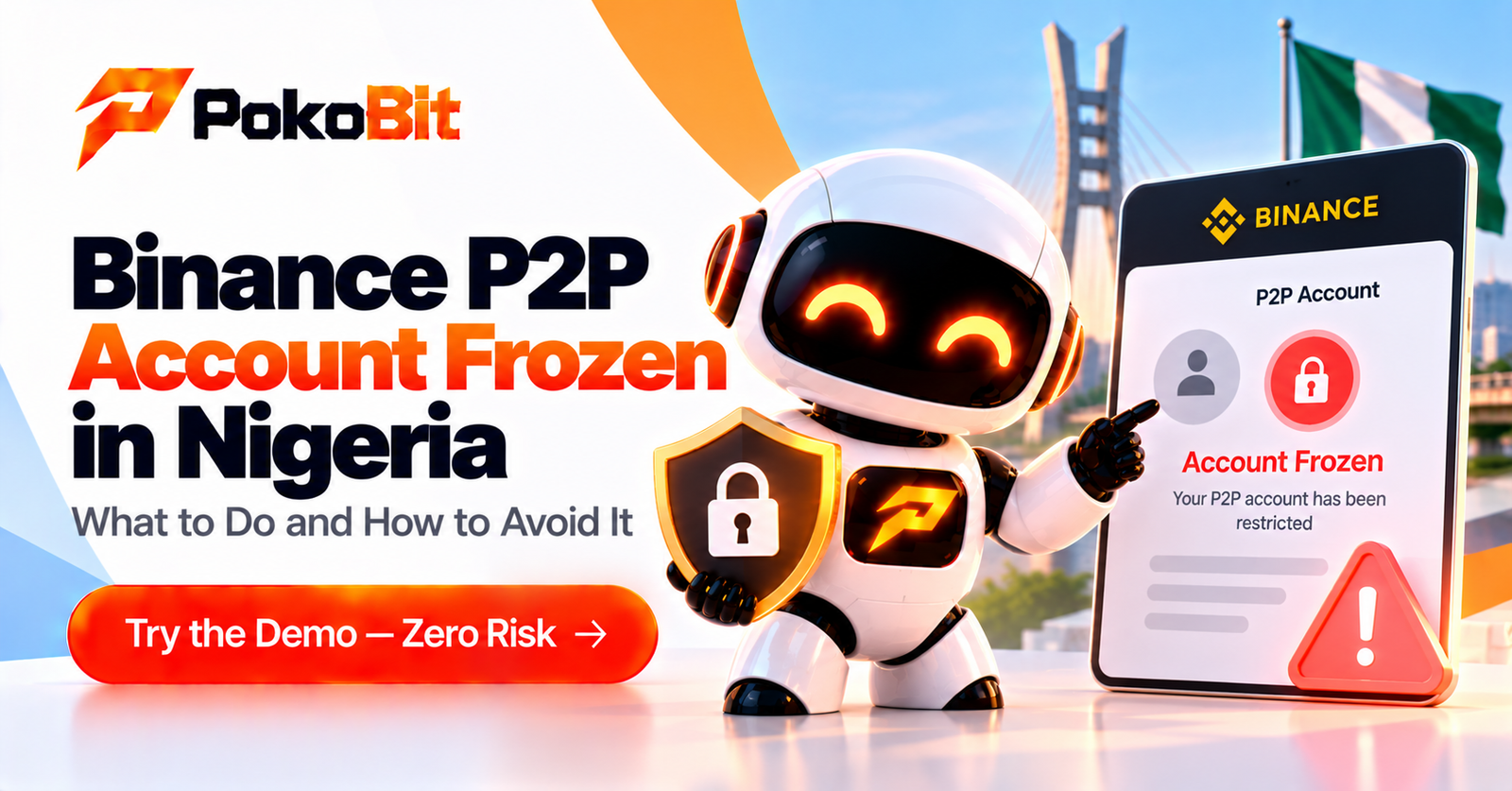
Can my Nigerian bank account be frozen after Binance P2P trading?
Yes, a bank may restrict an account following a disputed or allegedly fraudulent payment associated with a P2P transaction. Binance has documented cases involving innocent sellers whose accounts were frozen after buyers were connected to scams. Preserve your records and contact your bank if this happens.
Should I release USDT after receiving a screenshot of payment?
No. A screenshot is not proof that the money has arrived. Check your bank account or payment provider directly and confirm that the correct amount has been received before releasing the cryptocurrency.
What should I do if a buyer pays from another person's account?
Do not release the cryptocurrency automatically. Check the applicable platform rules, preserve the payment details, and contact Binance Support or use the order's appeal process for guidance. Avoid spending or forwarding disputed funds while the issue is unresolved.
Can I recover cryptocurrency lost to a P2P scam?
Recovery is not guaranteed. Contact Binance Support promptly, preserve the evidence, and notify your bank or relevant authorities where appropriate. Be especially careful of people who demand upfront payments and promise guaranteed recovery.
Should I complete a P2P trade on WhatsApp to get a better rate?
Avoid moving a transaction outside the platform's official process. Off-platform arrangements can reduce the evidence available to support a dispute and expose you to payment manipulation or impersonation scams.
Conclusion
Avoiding Binance P2P scams in Nigeria starts with a few consistent habits: verify payments directly, match payment details to the correct counterparty, keep transaction communication on the platform, and never let urgency override your checks.
Whether you are buying or selling USDT, take the time to verify each transaction before completing it. If anything does not match the order instructions, stop and seek official support rather than improvising a workaround.
For more educational resources on P2P trading, transaction costs, and crypto arbitrage, visit PokoBit. You can also join the official PokoBit Telegram community for updates and discussions.